
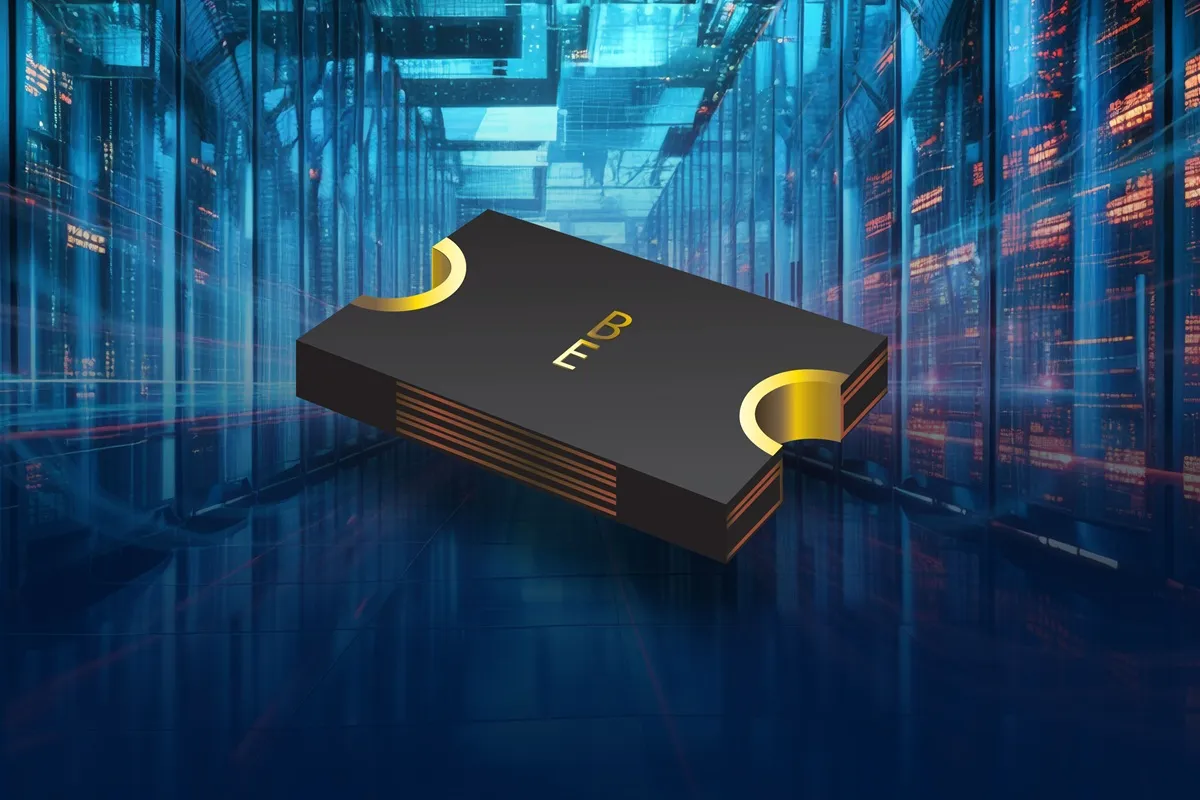
 As low voltage ports continue to carry more power and support more demanding peripherals, designers are under growing pressure to manage heat, current spikes and long-term reliability without adding bulk or complexity. Resettable fuses have become a common safeguard in these circuits, but the performance window has been tight for higher hold currents and elevated voltage operation. Bourns’ decision to add thirty-five new models to its MF-MSMF Multifuse family is aimed at giving engineers a broader footprint of options for protecting USB, HDMI, computing and consumer products where space and robustness both matter.
Why Higher Rated Resettable Fuses Matter Now
Systems that once operated at only a few watts are now expected to support fast charging, intensive data transmission and always-on behaviour. These trends raise the likelihood of overcurrent or overtemperature events, especially in dense consumer devices or data centre hardware. The new MF-MSMF variants extend the portfolio up to 3.0 A hold current with voltage ratings up to 60 VDC. That combination covers a wide set of ports that sit above traditional 5 V and 12 V levels. For engineers, it means they can stay within a single PPTC family while matching protection behaviour to more varied power architectures.
Material Design and Electrical Behaviour
Bourns’ use of the freeXpansion structure continues in these new models. The mechanical design allows the polymer to expand more uniformly during a fault event, which helps stabilise resistance and reduces fatigue during repeated cycling. The ENIG terminal finish is another subtle but practical detail. It improves solderability during assembly, lengthens shelf life and reduces the chance of tin whisker formation. Taken together, these characteristics support consistent trip behaviour across production lots and reduce the likelihood of long-term drift in devices that may see years of intermittent stress.
Reliability and Qualification Considerations
Resettable fuses can face significant punishment in the field, particularly where thermal cycles are large or the product is expected to run continuously. Bourns highlights several reliability tests that the MF-MSMF range undergoes, including extended passive aging, humidity exposure and thermal shock cycling. These are the kinds of tests that matter for technicians working on industrial or computing hardware where downtime translates directly into cost. The devices also carry UL, CSA and TÜV recognition. For engineers working under regulated design environments, having these certifications built in simplifies documentation and speeds up approval cycles.
Design Flexibility Across Consumer and Computing Systems
Many designers will see the value of the extended range in practical layout terms. With more hold current choices and a wider voltage span, it becomes easier to right-size the protection element to each port rather than over-designing or relying on a less efficient discrete combination. Whether the application is a laptop power rail, a home entertainment interface or a piece of data centre equipment, the compact SMD package supports tight layouts while protecting against user error, cable faults or peripheral malfunctions. The expanded set also supports designers building multiple power variants of the same product, reducing the need to qualify separate fuse families for each configuration.
Learn more and read the original announcement at bourns.com
You may also like