
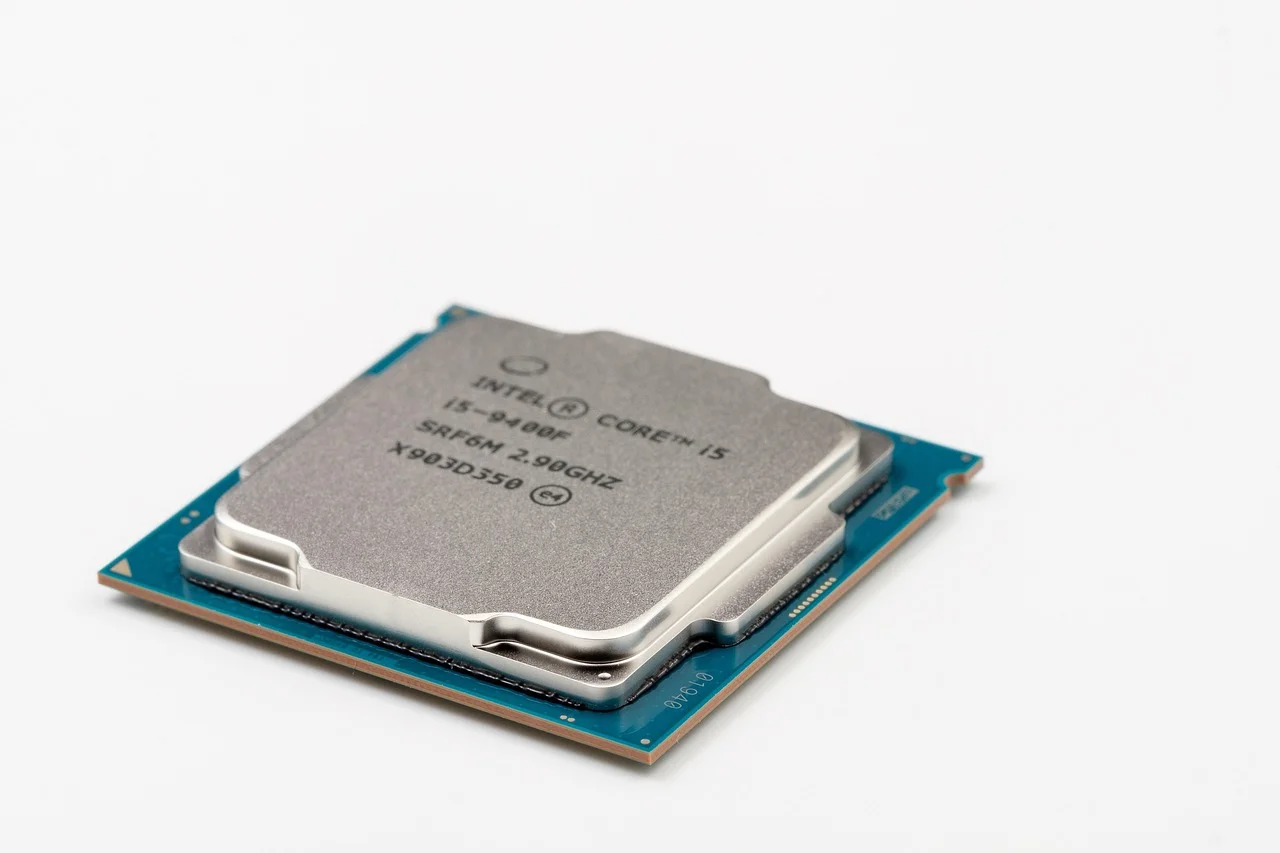
 As DRAM prices continue to remain at all time highs, it turns out that while DRAM is actually still available, Intel CPUs stocks are harder to find. What challenges has the CPU market faced, how could Intel’s 18A process ease supplies, and will we ever see supplies stabilize?
The Ongoing CPU Shortage
Ever since AI companies started to expand and purchase up DRAM capacity from foundries, DRAM prices have shot through the roof. Now, the prices of DDR5 and DDR4 have gone up so much that they are now one of the most expensive parts of a build, with some having reported that memory sellers throw in the processor for free when purchasing DDR sticks.
However, CPU supplies, unlike DDR memory, have actually shrunk in quantity, making them harder to acquire (despite the high price of DDR memory, you will always be able to get it). In fact, this shortage has been so sever that Intel has responded by raising the prices on their products multiple times over the past year, and yet, this shortage doesn’t get anywhere near the amount of media attention that the memory shortage does.
The CPU market’s difficulties stem from similar causes as the DRAM shortage, with surging demand from AI and data center workloads consuming a significant share of available production. Leading foundries, including Intel, have struggled to scale up wafer output quickly enough to match this demand. The allocation of limited manufacturing capacity towards high-performance computing and AI applications has thus resulted in fewer CPUs being available for traditional consumer and enterprise markets.
Intel Looks To Ease CPU Shortage with 18A Process
While it is expected that the current memory shortage will last until 2030, it is hoped that the CPU shortage will be shorter lived. The industry is now looking to Intel’s 18A process node as a key turning point, with upcoming generations like Panther Lake and Wildcat Lake expected to help alleviate constraints.
Intel has begun ramping production on its 18A process, though early yields have reportedly faced challenges typical of a new node introduction. Panther Lake CPUs, expected in the second half of 2024, may initially see limited availability as Intel works to improve yields and scale output. Wildcat Lake is projected to follow, further expanding supply if manufacturing proceeds as planned.
AMD, while also a major CPU supplier, is not reliant on Intel’s manufacturing technology; instead, depending on TSMC for its advanced nodes. AMD has also experienced difficulties securing sufficient production capacity at TSMC, contributing to the tight market. In response, both companies have implemented price increases in response to the supply-demand imbalance, with AMD’s hikes reportedly around 15% in recent quarters.
Datacenter CPUs, such as Intel’s Xeon and AMD’s EPYC lines, remain in exceptionally high demand due to AI, cloud, and enterprise workloads, further constraining supply for other segments. The industry’s recovery hinges not only on Intel’s 18A ramp-up but also on broader supply chain stability and the critical role of TSMC, which manufactures important components like I/O dies even for Intel’s platforms.
Will We Ever See Stabilized Markets Again?
It seems that for the past 6 years, engineers and consumers alike have faced some of the worst supply chains in history. The COVID pandemic caused massive issues with supply, the Russian-Ukraine war made things even harder, and then AI came along and took all the RAM and hardware.
Now, it seems that there is no end in sight, with the memory market showing no signs of stabilizing, and the CPU market struggling to meet the current demand. But will this ever change?
Even if major AI firms such as OpenAI and Oracle were to dramatically reduce their hardware needs due to an AI market correction, this would not immediately benefit consumers. The reason is that suppliers have shifted manufacturing priorities toward specialized datacenter components, and production lines for consumer-grade CPUs and DRAM have been reduced or repurposed. Hardware decommissioned from datacenters may not be directly compatible with home systems, and regulatory or logistical hurdles often prevent surplus enterprise hardware from entering the consumer market at scale.
As a result, the current supply shortage is unlikely to be quickly resolved by changes in enterprise demand alone. Lasting improvement may require new entrants or startups to focus on consumer-oriented components, and there may be renewed interest in reviving older but reliable technologies such as DDR3 for mainstream use, especially where high performance is not essential. Until then, the market may continue to feel the effects of constrained supply and elevated component prices.
You may also like