
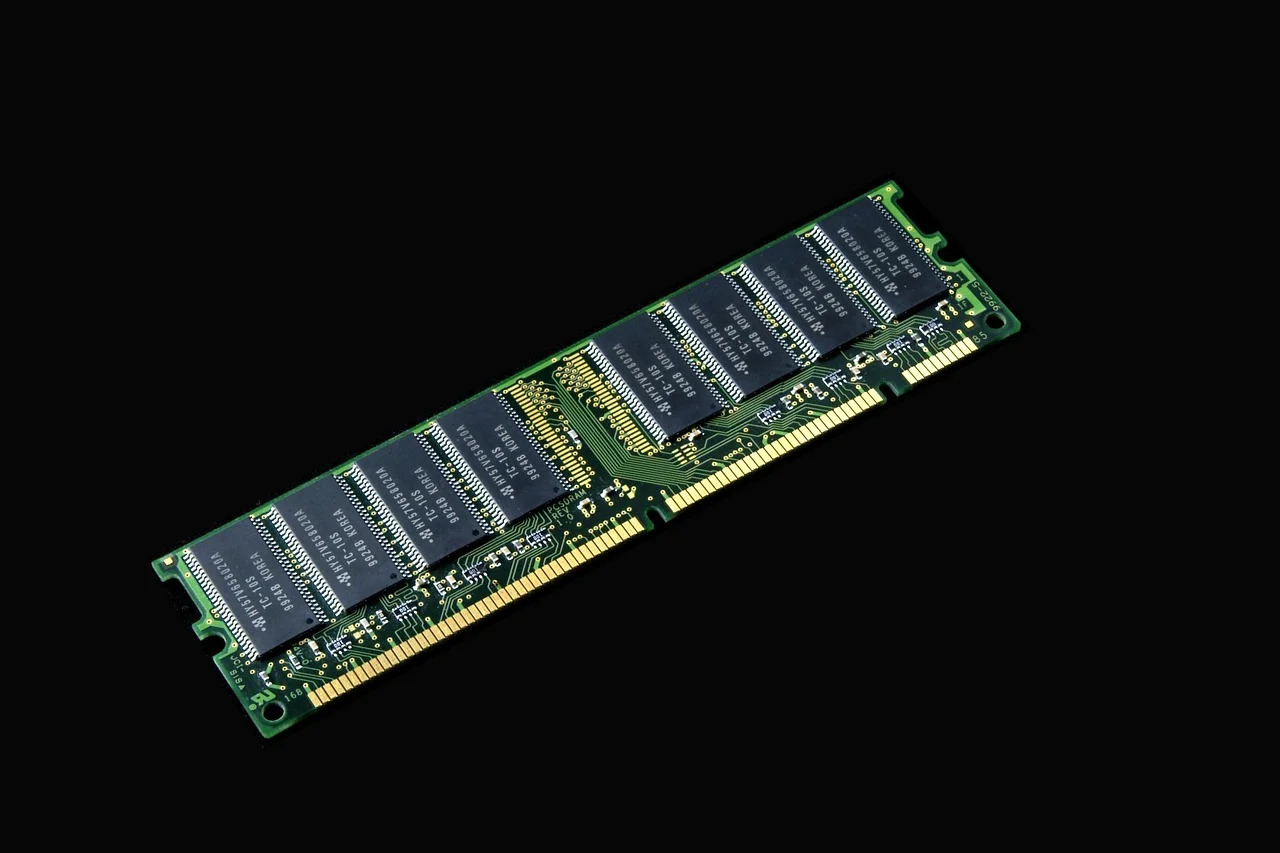
 As the pressure to find alternative chip sources intensifies, China has reportedly pressured the US government to allow it to purchase chips from China. Whether or not the US will capitulate to this request remains unclear, but what does this say about the current state of the chip market?
Apple Pressures US Government To Allow Chinese Chip Purchases
Apple has been reported to be seeking approval from the Trump administration to purchase memory chips from the Chinese manufacturer CXMT. This request comes after major price increases across multiple Apple products due to rising memory costs.
CXMT is a company that is currently listed by the U.S. government as a Chinese military-linked company, introducing potential issues with national security. Despite this fact, the ongoing shortage of memory combined with the inability to source key products from Huawei (which also has strong ties with the Chinese government), Apple has reportedly approached the US Commerce Department to ask for permission to start purchasing memory from CXMT.
However, there have been some in Washington who have expressed deep concerns with allowing Apple to use CXMT, especially when considering that the U.S government is trying to push hard on its “America First” policy on technology and supplies. It has also been said that Apple approached the U.S Commerce Department back in November, but it was rejected on national security grounds.
What Does this Tell Us About Chips?
The ongoing shortage of memory, and the growing dependency on a small number of global suppliers, is placing engineers under increasing pressure. The scale of AI demand has effectively absorbed a large share of available memory production, forcing difficult decisions across the industry.
While memory chips are essential for AI systems, they remain equally critical for consumer electronics. There is a practical limit to how far consumer markets can be squeezed before affordability and accessibility begin to break down. Locking end users out of new technology simply because another sector is consuming disproportionate supply is not a sustainable long-term model.
As established memory manufacturers struggle to keep pace, alternative suppliers will naturally emerge, including companies in China. However, when sourcing from manufacturers with close ties to state or military structures, concerns around supply chain security inevitably increase. These concerns are not theoretical either, as the semiconductor supply chain has long been a focal point for geopolitical tension.
In consumer devices, the immediate risk of targeted attacks is relatively low. Most threat actors are not interested in individual users at scale. However, if certain components become widely deployed, they can form part of a much larger attack surface. At that point, compromised hardware could potentially be leveraged for large-scale exploitation or data collection. The risk becomes more significant again if such devices are used within enterprise or government environments.
This is why government and infrastructure systems typically require tightly controlled supply chains, with strict oversight on component sourcing and manufacturing origin. However, if Western manufacturers cannot meet demand, engineers will eventually be left with limited alternatives and will be forced to consider non-traditional suppliers.
So the question becomes unavoidable. What should governments do in this situation?
In my view, components sourced from companies such as CXMT should only be permitted in low-risk applications, such as gaming systems or basic consumer computing, while not being allowed in infrastructure, defense systems, or any environment handling sensitive data where supply chain integrity is critical. A layered approached, where different applications get a category, would thus help ease the ongoing memory struggles, bring prices down, and help encourage more economic growth.
You may also like